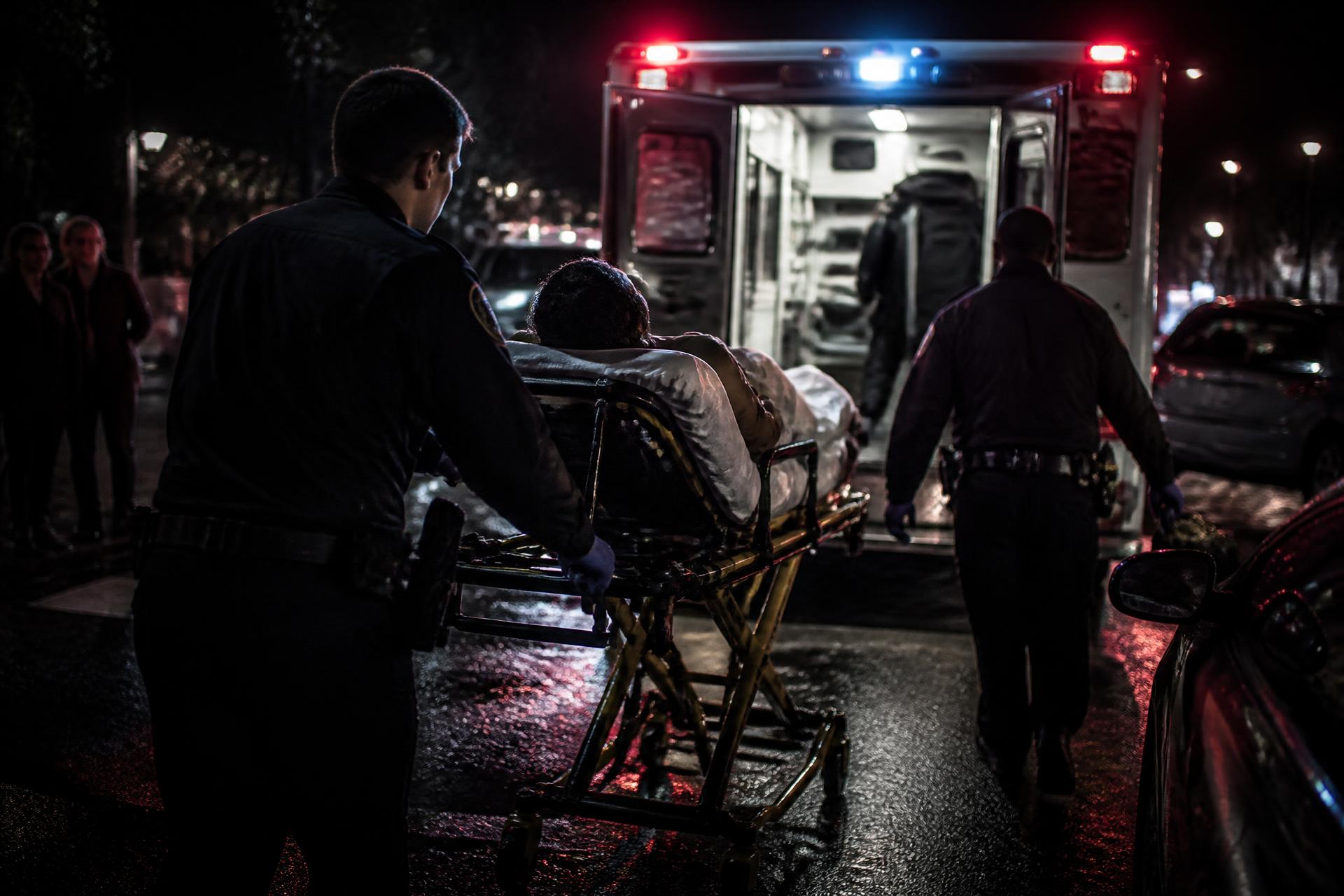
We build the tools clinicians reach for at 4 a.m.
Medical software, connected systems, hardware, and clinical workflows, built from real problems encountered in the field.
Clinician-led. Partner-enabled. Built to get complex healthcare projects done.
Radial is a clinician-led healthcare technology firm developing medical software, connected systems, hardware solutions, and clinical workflows.
We bring together the right clinicians, engineers, integration partners, compliance specialists, and industry experts to move complex healthcare ideas from problem to implementation. We identify what the project requires, assemble the right expertise, and get it done.
From clinical problem to working solution.
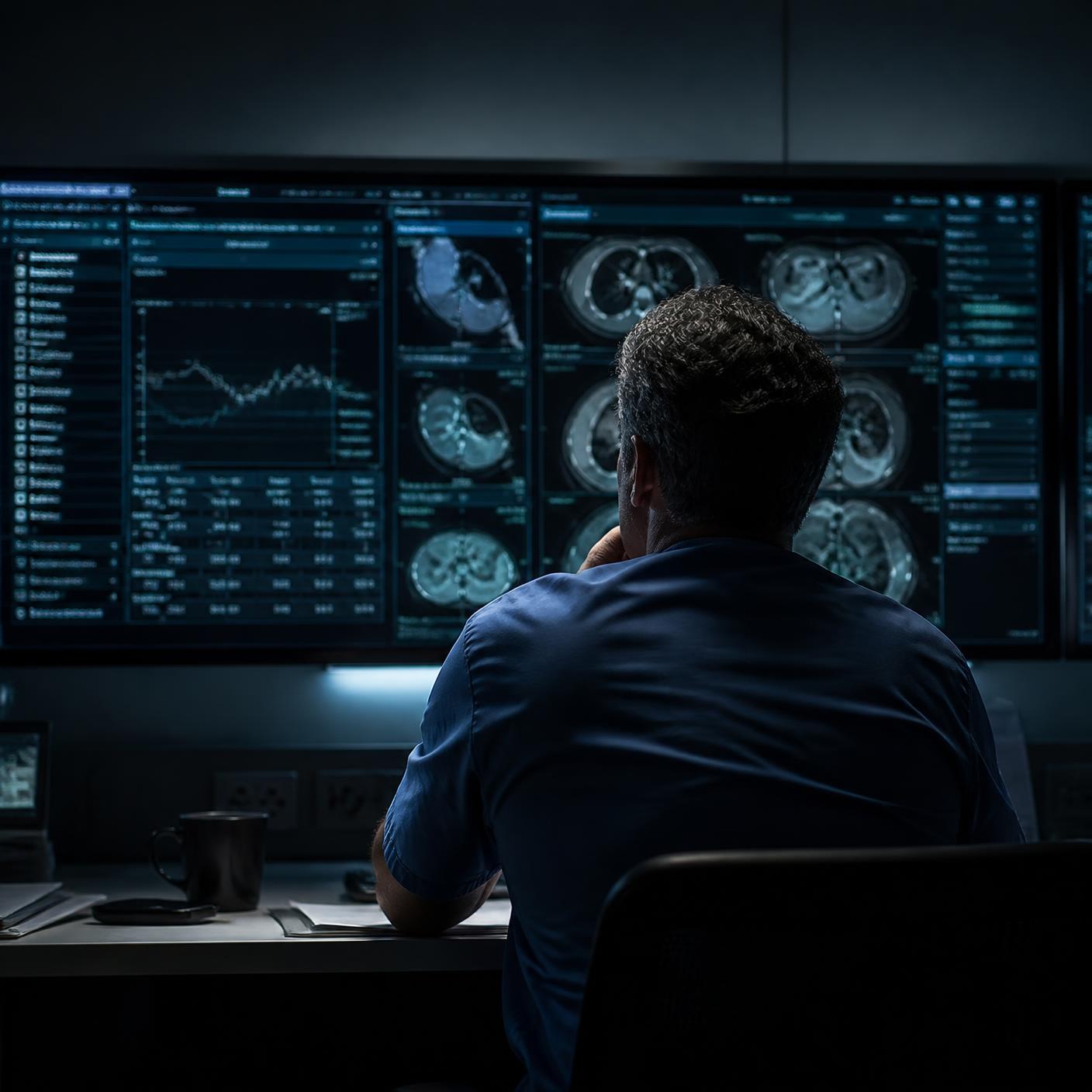
Clinical Software
Focused medical software designed around the realities of emergency, critical, hospital, and home-based care.
- Clinical applications
- Mobile and web platforms
- Real-time operational systems
- Clinical decision-support tools
- Workflow automation
- Data visualization
- Documentation and handoff systems
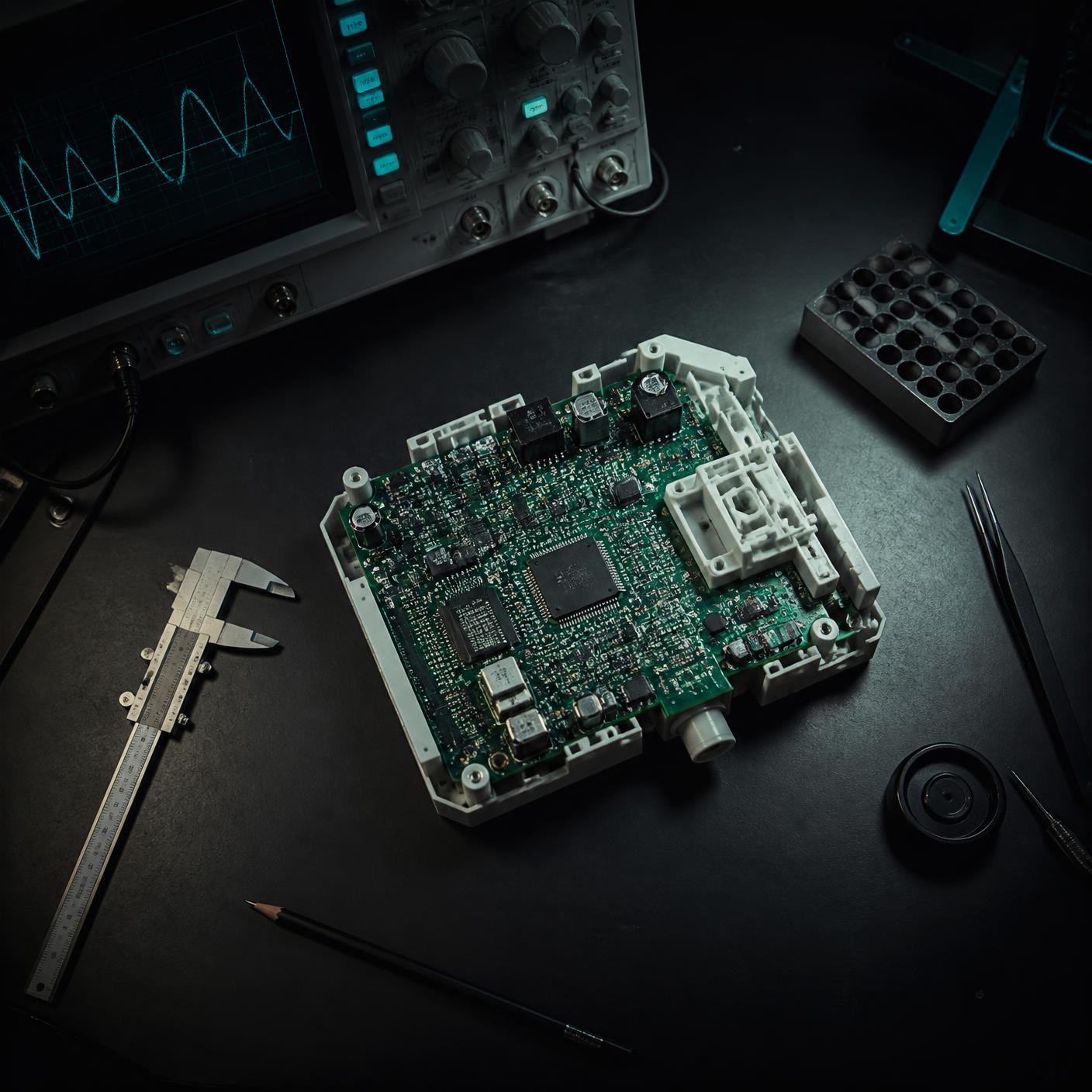
Medical Hardware
Purpose-built hardware and connected-device solutions developed with the engineering, clinical, compliance, and manufacturing resources the project requires.
- Medical-device concepts
- Connected monitoring environments
- Clinical hardware development
- Enclosures and interface systems
- Device-data capture
- Prototyping and product coordination
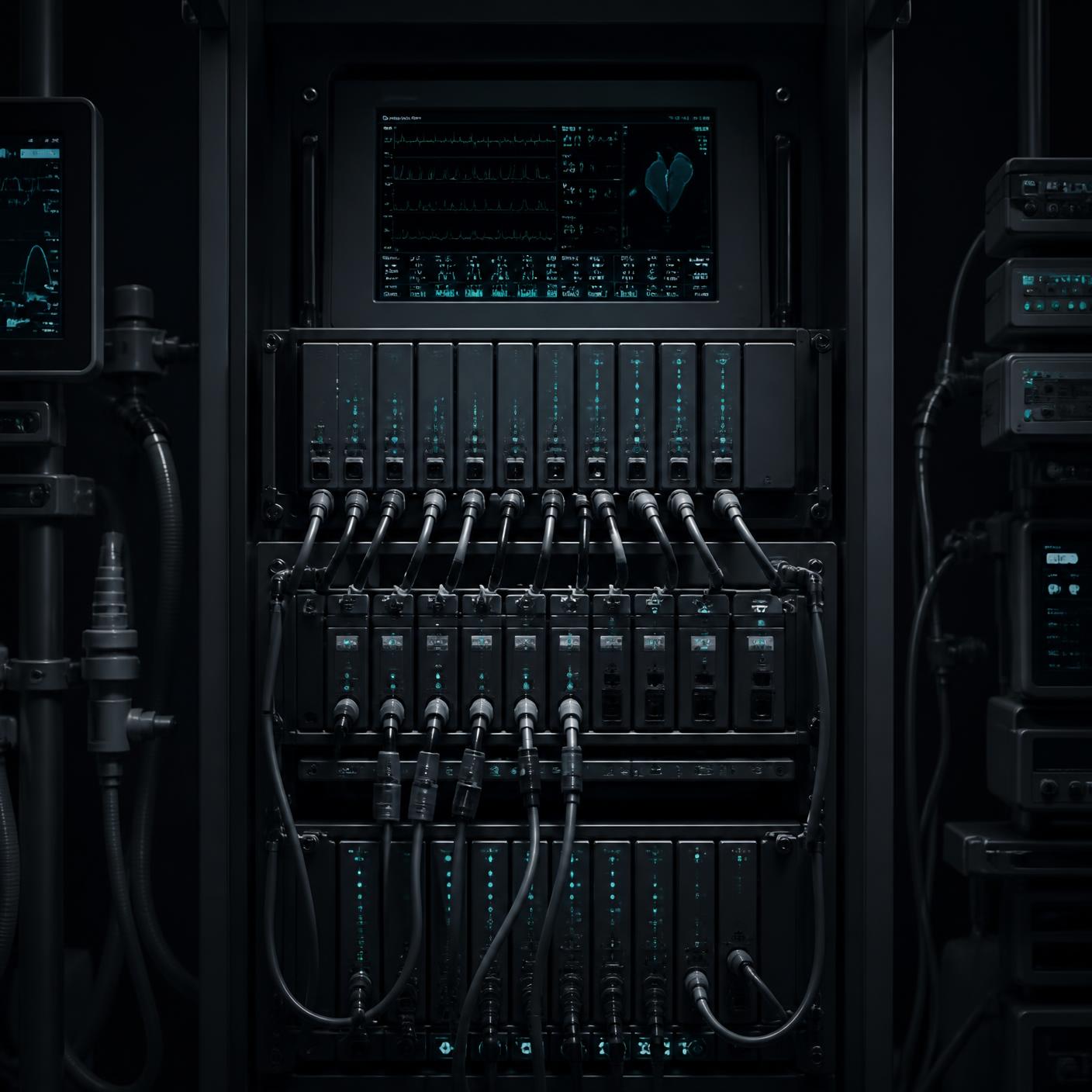
System Integration
Connecting medical devices, clinical software, healthcare data, and operational workflows into one usable environment.
- APIs
- HL7
- FHIR
- EHR connectivity
- Device connectivity
- Data aggregation
- Workflow integration
- Secure information exchange
Built in the field. Used in the field.
Radial turns problems encountered during real patient care into focused clinical tools, supporting medication decisions, hospital navigation, resuscitation, transitions of care, and continuous high-acuity monitoring.
- 01
911EMTP
On scene
Medication decisions and infusion support
- 02
EmergencyRoom.nyc
En route
Hospital destination and capability guidance
- 03
CardiacArrest.net
Resuscitation
Live code management and clinical handoff
- 04
TeamBlue
Transition home
Accountable hospital-to-home coordination
- 05
AcuityWatch
High-acuity care at home
Continuous monitoring and clinical operations
A connected clinical ecosystem around the moments where speed, clarity, accountability, and operational visibility matter most.
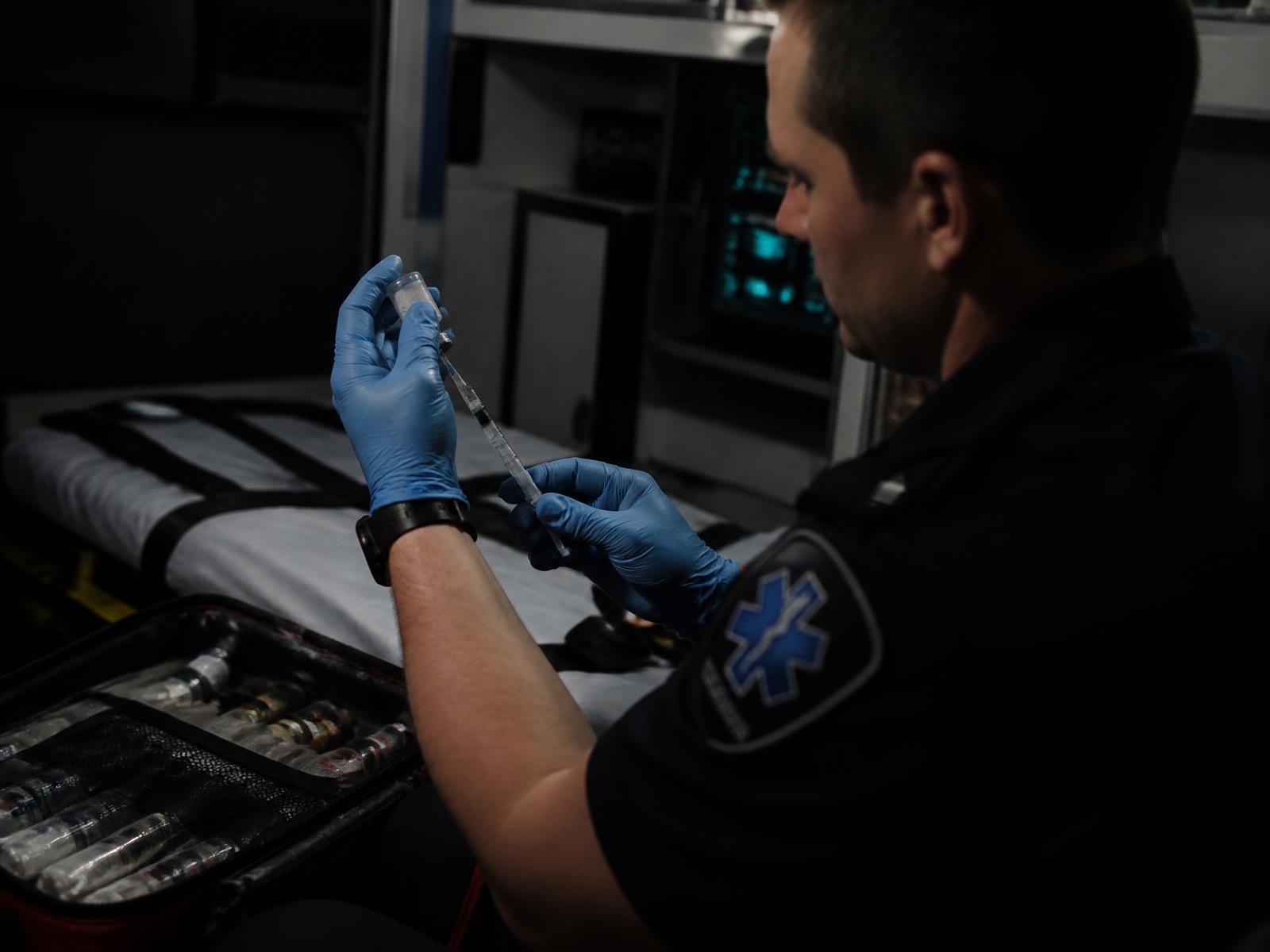
911EMTP
Medication decisions without bedside calculations.
911EMTP gives paramedics fast, weight-based medication guidance with dose conversion, exact volume in milliliters, syringe selection, and infusion support. It was built around real field conditions where time, clarity, and accuracy matter.
Built and tested by active paramedics. Used by practicing paramedics in active medical settings.
- Weight-based medication calculations
- Exact milliliter conversion
- Syringe-size guidance
- Pediatric medication support
- Drip and infusion calculations
- Current NYC REMAC workflow alignment
- Offline availability after initial loading

EmergencyRoom.nyc
The nearest hospital is not always the right hospital.
EmergencyRoom.nyc helps EMS clinicians identify nearby emergency departments based on the capabilities their patient requires, making complicated destination decisions faster and clearer.
Created for real-world EMS destination decisions in New York.
- Distance and estimated travel time
- Hospital specialty capabilities
- Trauma services
- Stroke services
- PCI and cardiac services
- Pediatric emergency care
- Obstetric and perinatal services
- Psychiatric emergency services
- Direct EMS notification where available
- Offline availability after initial loading
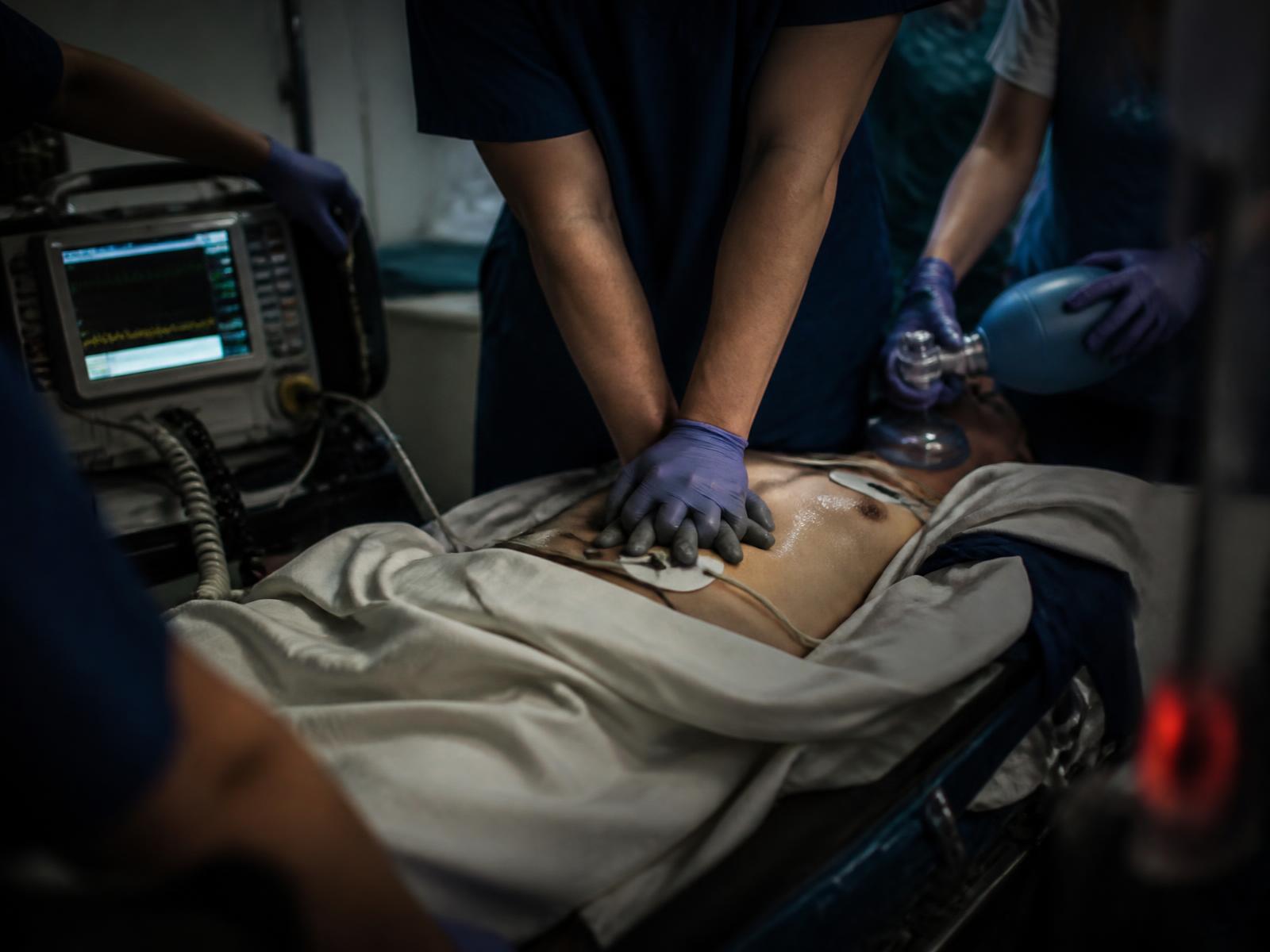
CardiacArrest.net
A clearer resuscitation, from first compression through handoff.
CardiacArrest.net is a real-time code companion that helps clinical teams manage timing, interventions, medication events, reversible causes, documentation, and structured handoff during cardiac arrest.
Developed in clinical collaboration with Dr. Daniel Jafari, an emergency and critical-care physician affiliated with Northwell Health.
- Live code timer
- Rhythm-check countdown
- Medication and intervention timeline
- H's and T's support
- Pediatric and adult calculations
- Multi-device synchronization
- Structured code-summary export
- Receiving-physician handoff
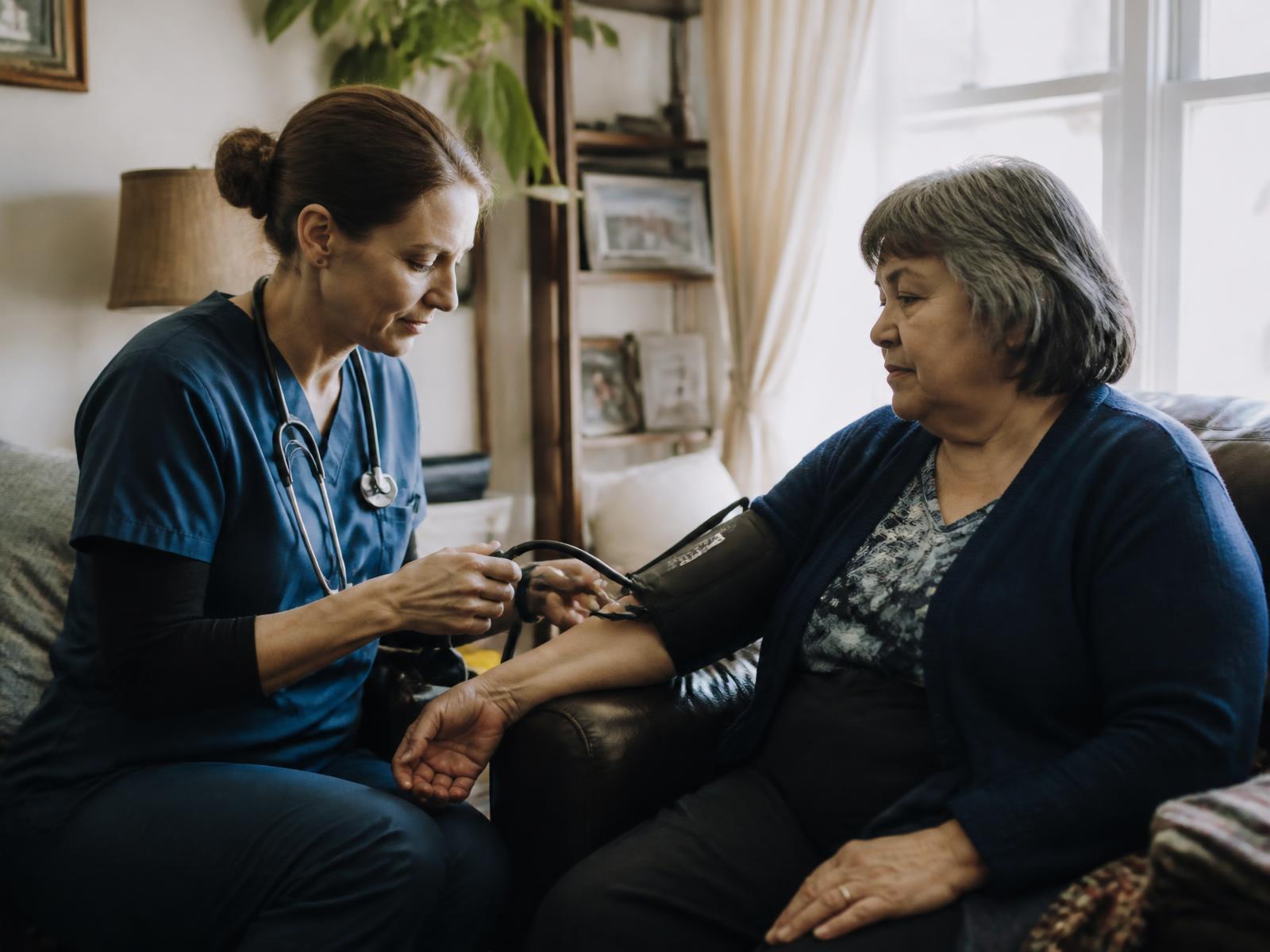
TeamBlue
Transitions-of-care platform
The hospital discharge should not be the moment accountability disappears.
TeamBlue is a transitions-of-care platform and operating model designed to own the critical period between hospital discharge and recovery at home. It coordinates clinical follow-up, patient communication, in-home care, medication review, escalation, and accountability through one connected workflow.
Mission
Own the discharge through seamless, connected transitions of care.
Vision
Every patient home with confidence. Every recovery uninterrupted.
Discharge is not the end of care. It is the beginning of the most vulnerable part of recovery.
Radial develops the technology and clinical workflow infrastructure supporting TeamBlue. TeamBlue applies that infrastructure to the operational delivery of transitions-of-care services.
- Structured discharge handoff
- Registered-nurse visit after discharge
- Medication reconciliation
- Review of discharge instructions
- Vital-sign assessment
- Missing equipment or medications identified
- Physician escalation when required
- Follow-up at 48 to 72 hours
- Touchpoints at 7, 10, and 30 days
- Optional paramedic rapid response
- Shared visibility for the care team
- Hospital and payer visibility
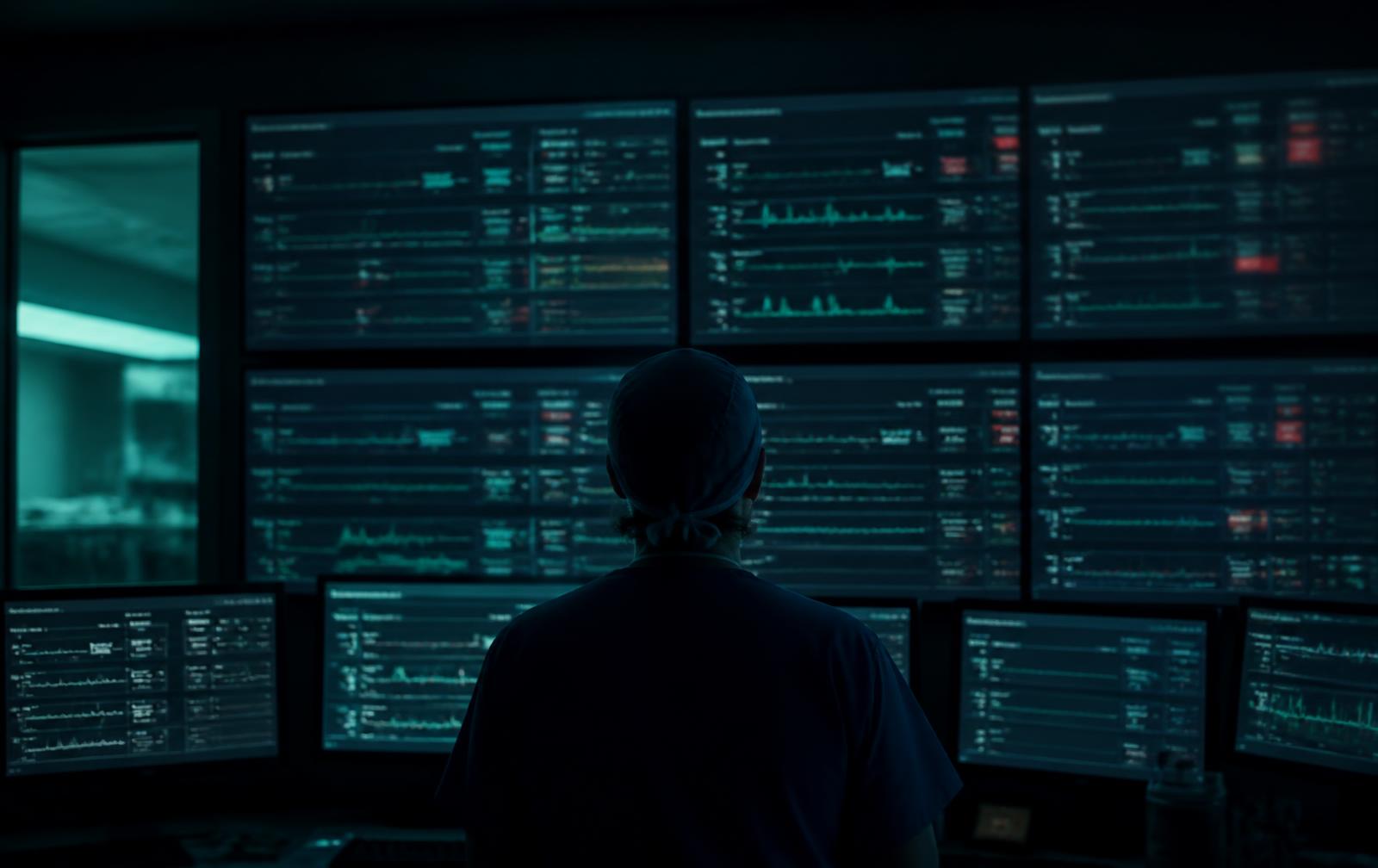
AcuityWatch
The patient may be home. The clinical picture should remain visible.
AcuityWatch is a developing clinical operations platform for centralized monitoring and coordination of high-acuity patients receiving care at home. It brings vital signs, laboratory results, medications, documents, alerts, trends, and patient status into one continuously updated operational view.
- A distributed clinical operations layer
- A remote monitoring and coordination environment
- A bridge between hospital-grade monitoring and home-based care
- An exception-first clinical control system
- A continuously updated patient-state environment
Ventilated, ICU-level, or critically unstable patients requiring continuous visibility.
Stable but medically complex patients requiring frequent care and close observation.
Lower-acuity patients requiring intermittent assistance and follow-up.
In the environment
- Live vital-sign monitoring
- Patient status and trend visualization
- Pending and completed laboratory results
- Comparison with previous blood results
- Medication records
- EKGs and scans
- Clinical notes and documents
- Code status
- Emergency contacts
- Device connectivity
- Signal integrity
- Clinical alerts
- Escalation workflows
- Mobile access for authorized clinicians
- Centralized command view for multiple patients
- Future bedside-monitor connectivity
TeamBlue coordinates the patient’s transition and recovery after discharge. AcuityWatch provides continuous operational and clinical visibility when a patient requires more intensive monitoring at home.
Request a private demonstrationBuilt to sit alongside the majors.
Radial develops software, connected systems, and clinical workflows for healthcare environments where established devices, monitors, platforms, and care teams must work together.
We understand the technology already in the room and bring together the integration resources required to make fragmented clinical environments work as one.


Company names and trademarks belong to their respective owners.
For AcuityWatch, Radial is actively evaluating connectivity pathways involving Philips Capsule, Philips IntelliVue, Mindray, and other compatible patient-monitoring environments.
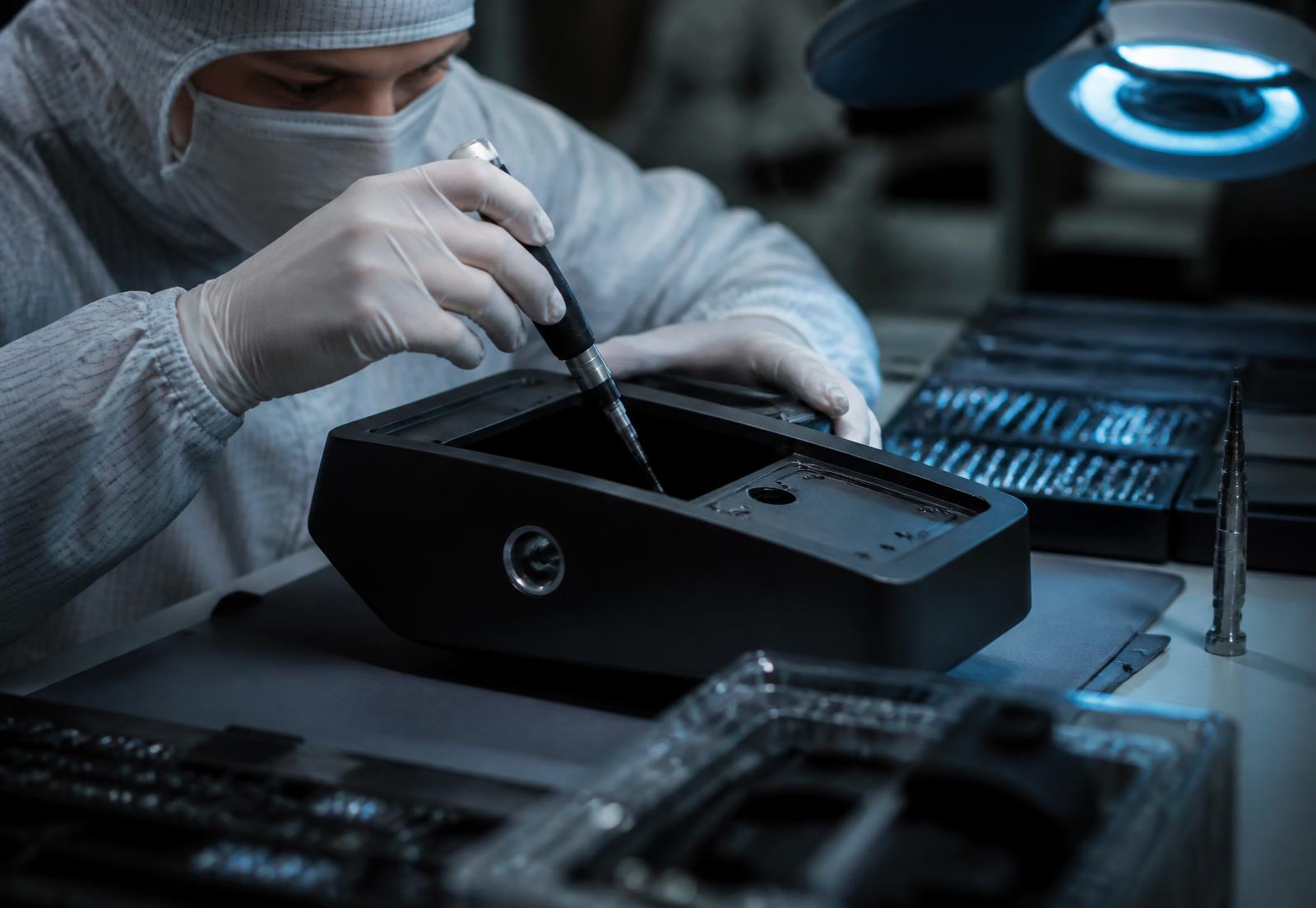
Designed for a connected clinical environment.
Clinical information rarely lives in one place. Radial brings together the clinical, technical, engineering, compliance, and integration expertise required to connect devices, healthcare data, operational workflows, and care teams.
Active capability
- API-driven architecture
- HL7 workflows
- FHIR connectivity
- Structured clinical records
- Mobile and desktop access
- Multi-device synchronization
- Secure data exchange
Implementation partners
- EHR integration
- Clinical-data aggregation
- Hospital security review
- Deployment and validation
In development
- Medical-device connectivity
- Bedside-monitor integration
- Patient-monitoring environments
Connectivity roadmap
- Philips Capsule pathways
- Philips IntelliVue
- Mindray monitoring
- Additional compatible environments
Built for the standards healthcare demands.
Healthcare technology requires more than strong software. Radial works with experienced compliance, cybersecurity, regulatory, clinical, engineering, and implementation professionals to address the requirements of each product and deployment.
- HIPAA and BAA
- Requirements addressed before protected health information moves through any system we operate.
- Cybersecurity planning
- Role-based access, auditability, penetration testing and security documentation, coordinated with specialists.
- Hospital security review
- Security questionnaires, MDS2 forms and documentation packages prepared for your review process.
- Quality and lifecycle
- Quality-management processes and medical software lifecycle practices, including IEC 62304 and ISO 13485 where a product requires them.
- Regulatory strategy
- FDA strategy and medical-device documentation coordinated with regulatory consultants engaged for the product.
- Procurement
- W-9, insurance, BAA templates and vendor credentialing through platforms such as Symplr and Vendormate.
Certifications and documentation are held or produced by Radial, by the consultants and engineering partners engaged for a product, or pursued for a specific deployment. We confirm which applies before work begins. Complex requirements do not stop the project.
Clinical tools should think the way clinicians work.
Radial begins with problems encountered during real patient care. We identify where clinicians lose time, repeat calculations, search across disconnected systems, or operate without a complete picture. We then assemble the right clinical and technical expertise to build a focused solution.
- Field first
- Built around real workflows, not theoretical product requirements.
- Clarity under pressure
- The most important information must remain immediately visible.
- Right expertise
- Every project receives the clinical, technical, engineering, compliance, and integration resources it requires.
- Execution
- We do not stop at identifying the problem. We build, test, refine, connect, and move it toward implementation.
Built around problems that already exist.
- Paramedic medication support
- 911EMTP provides working medication, volume, syringe, and infusion guidance used by active paramedics.
- EMS destination support
- EmergencyRoom.nyc helps clinicians identify nearby hospitals based on the capabilities their patients require.
- Cardiac-arrest workflow
- CardiacArrest.net supports live resuscitation management, documentation, and structured handoff.
- Transitions of care
- TeamBlue creates accountability between hospital discharge and recovery at home.
- Home-based high-acuity care
- AcuityWatch brings live patient information, clinical trends, documents, alerts, and monitoring into one operational environment.
Built by someone who works where the problems happen.
Meir Tessler is a practicing New York City paramedic, healthcare operator, designer, and product builder focused on the moments where clinical work becomes unnecessarily difficult. His work spans medication guidance, hospital navigation, cardiac-arrest workflow, transitions of care, connected clinical environments, and high-acuity monitoring beyond the hospital. Through Radial, he brings together clinicians, engineers, consultants, technology partners, and healthcare specialists to move ambitious ideas from problem to implementation.
Meir Tessler
Founder, Radial
11 years of building and solving
The right people around every problem.
Radial works through a growing network of practicing clinicians, healthcare leaders, engineers, integration professionals, compliance consultants, regulatory specialists, designers, and technology partners. This network allows Radial to approach each project with the expertise it actually requires.
Dr. Daniel Jafari
Emergency and critical-care physician, affiliated with Northwell Health
Clinical collaboration on CardiacArrest.net resuscitation workflow and handoff.
Clinical practitioners
Paramedics, nurses, emergency and critical-care physicians
Active field and hospital clinicians who test workflow against real conditions.
Technical and regulatory partners
Engineering, compliance, cybersecurity and integration specialists
Engaged per project to meet the requirements of each product and deployment.
Institutional affiliations are shown as professional context, not institutional endorsement.
What clinical problem keeps interrupting the work?
Whether the need involves software, hardware, integration, workflow, compliance, or an entirely new clinical platform, Radial brings together the resources required to move it forward.
Schedule a consult